Schedule Consultation
 (949) 689-5892
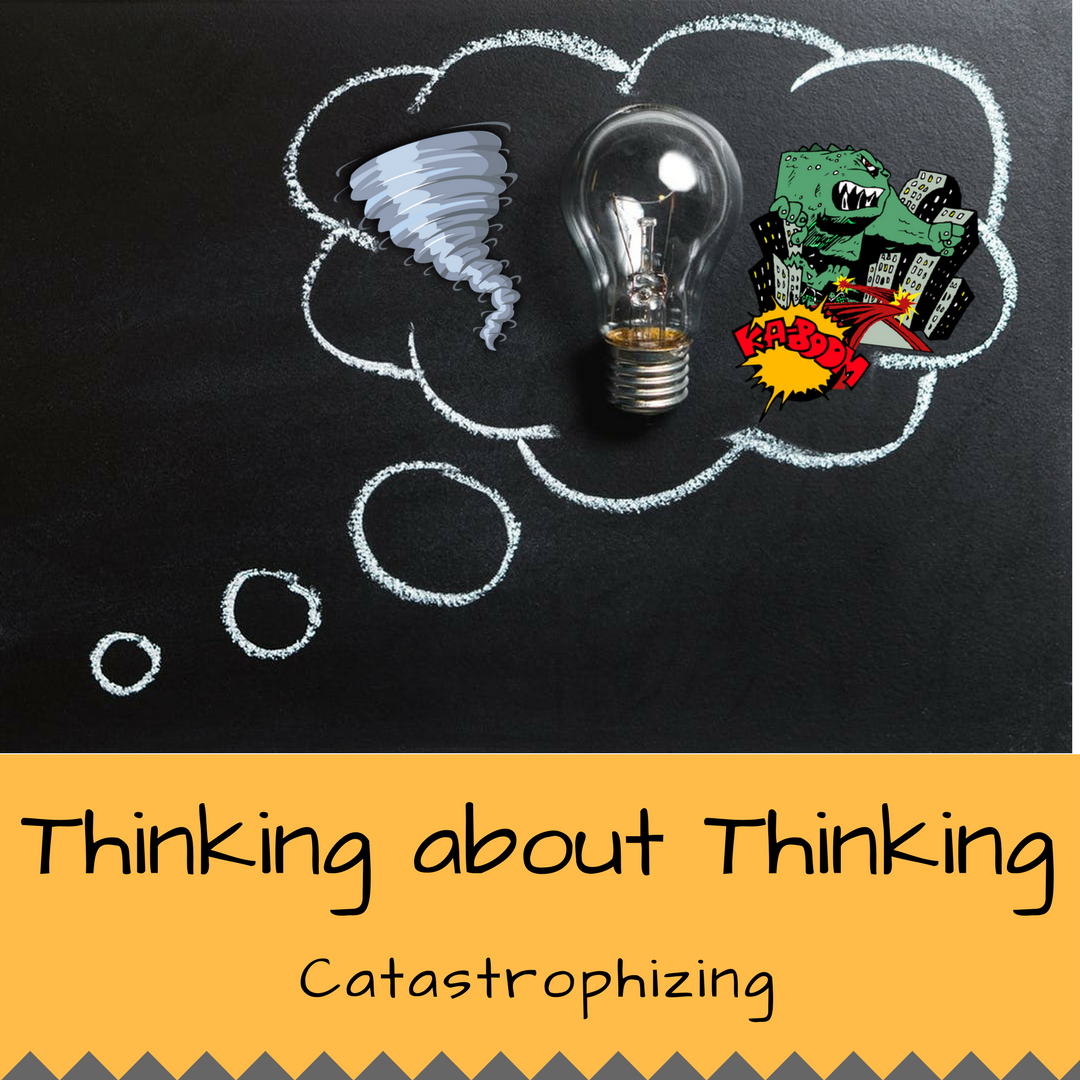
Frequently we find the people we work with at OCAC predict future events negatively without considering other, more likely outcomes. A common phrase we hear is “I just know that this isn’t going to work” – and this even before we begin treatment! But:
“Catastrophizing” is when we predict an outcome will be not be not good, not neutral, not even bad, but horrendous. For example, if my supervisor is going to give me a performance review tomorrow, I’m not thinking it’ll turn out well, average or poor: I’m thinking that I’m likely to be demoted or fired.
In this scenario, we need to start thinking about this approach:
In addressing this approach to thinking, we can see from the above questions, while it would be bad if one were demoted or fired, do I have any evidence for that as an outcome? If I don’t, rather than focusing on the worst outcome, it would be more reasonable to prepare for the likely outcome(s), such as a neutral to positive review, with some areas that need improvement. When a person catastrophizes, the focus is on the catastrophic possibility, instead of the more probable one (and mundane): I get stuck in a fear loop about losing my job and its ramifications, instead of focusing on how I can improve my efficiency or create better powerpoint presentations.
Mundane probable outcomes (arriving safely on my flight) vs. unlikely catastrophic ones (this aircraft is going to crash and I’m going to die): where should my focus be, and how does my thinking pattern affect my sense of calm?