Schedule Consultation
 (949) 689-5892
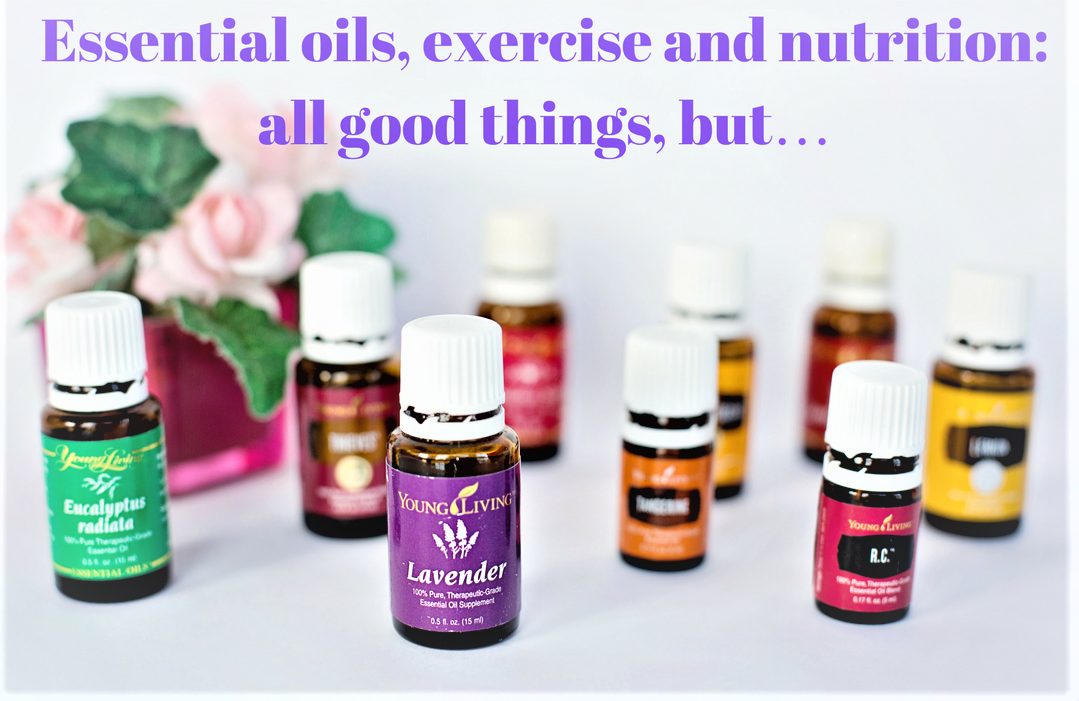
Not infrequently we will have people ask us about the efficacy and use of essential oils, exercise and nutrition on anxiety. While these may be all good things in of themselves, their effects are somewhat limited. When we examine the research literature, what we find as being effective include:
Exercise and nutrition, while good for a person in general, do not have direct impacts on anxiety, and essential oils even less so. Think of it this way: if I’m preparing for a math exam, the primary focus would be understanding the mathematic concepts, and running through practice problems (theory and application). Is it useful that I’ve eaten healthy, gotten some exercise, and perhaps have a scent in the room that I enjoy? To some extent, yes. But if I have to choose between studying or having essential oils, I’m going to study. In the same way, would I rather learn how to deal with stressors in life, via CBT or focus on immediate decrease in anxiety via (hopefully) essential oils?
Perhaps another example is useful: if I’m anxious about failing an exam, and it’s making me restless, irritable and unable to concentrate, it probably makes sense to examine those thinking patterns that make me anxious:
If I’m not likely to fail, I need to reassess my emotional, scary response and learn to deal with my emotions differently. Alternatively, I could light some lavender oil and hope that calms me down. It may somewhat help on the short run, but what happens for the next exam, or stressful situation?
In CBT, the focus is to learn how to assess stressful situations and then either address real issues and let go of the worries that while seem scary, aren’t realistic.